Park fees alone run USD 45 to 70.80 per person per day before you have eaten or slept anywhere. Here is what each part of a Tanzania safari actually costs in 2026, and why two quotes for the same route can differ by thousands.
Tanzania is not expensive by accident. A large share of any quote never reaches the operator at all: it goes to the parks as conservation fees, set by the government and identical whoever you book through. Knowing which part of a price is fixed and which is genuinely negotiable is the difference between comparing quotes properly and guessing.
What the parks charge
These are the conservation fees for a non-resident adult, per person, for each 24 hours in the park. East African citizens, residents and children pay less. Low season runs roughly mid-March to mid-May.
- Serengeti National Park - USD 60 low season, USD 70 the rest of the year
- Ngorongoro Conservation Area - USD 70.80 all year
- Tarangire National Park - USD 45 low season, USD 50 the rest of the year
- Lake Manyara National Park - USD 45 low season, USD 50 the rest of the year
- Arusha National Park - USD 45 low season, USD 50 the rest of the year
- Kilimanjaro National Park - USD 70 all year
The fee covers 24 hours from the moment you enter, not a calendar day, which is why an itinerary that leaves a park at two in the afternoon has still used a full day of it. Camps inside the parks also pay a concession or camping fee for every guest every night; that is built into the lodge rate rather than billed to you separately.
Two people spending three nights in the Serengeti and one in the Ngorongoro Crater pay about USD 560 in conservation fees alone, before a single bed or meal.
What a bed costs
Accommodation is where quotes really diverge. The figures below are full-board rates per person per night from our own contracted 2026 rates, across roughly 300 room, season and board combinations:
- Mid-range tented camps and lodges - USD 130 to 320 per person per night, most around USD 210
- Premium lodges and camps - USD 200 to 680 per person per night, most around USD 330
- Luxury and ultra-luxury camps - from roughly USD 500 per person per night upward, and the best migration camps go well beyond that
- Camping safaris sit below all of these, which is how a trip to the same parks is possible on a small budget
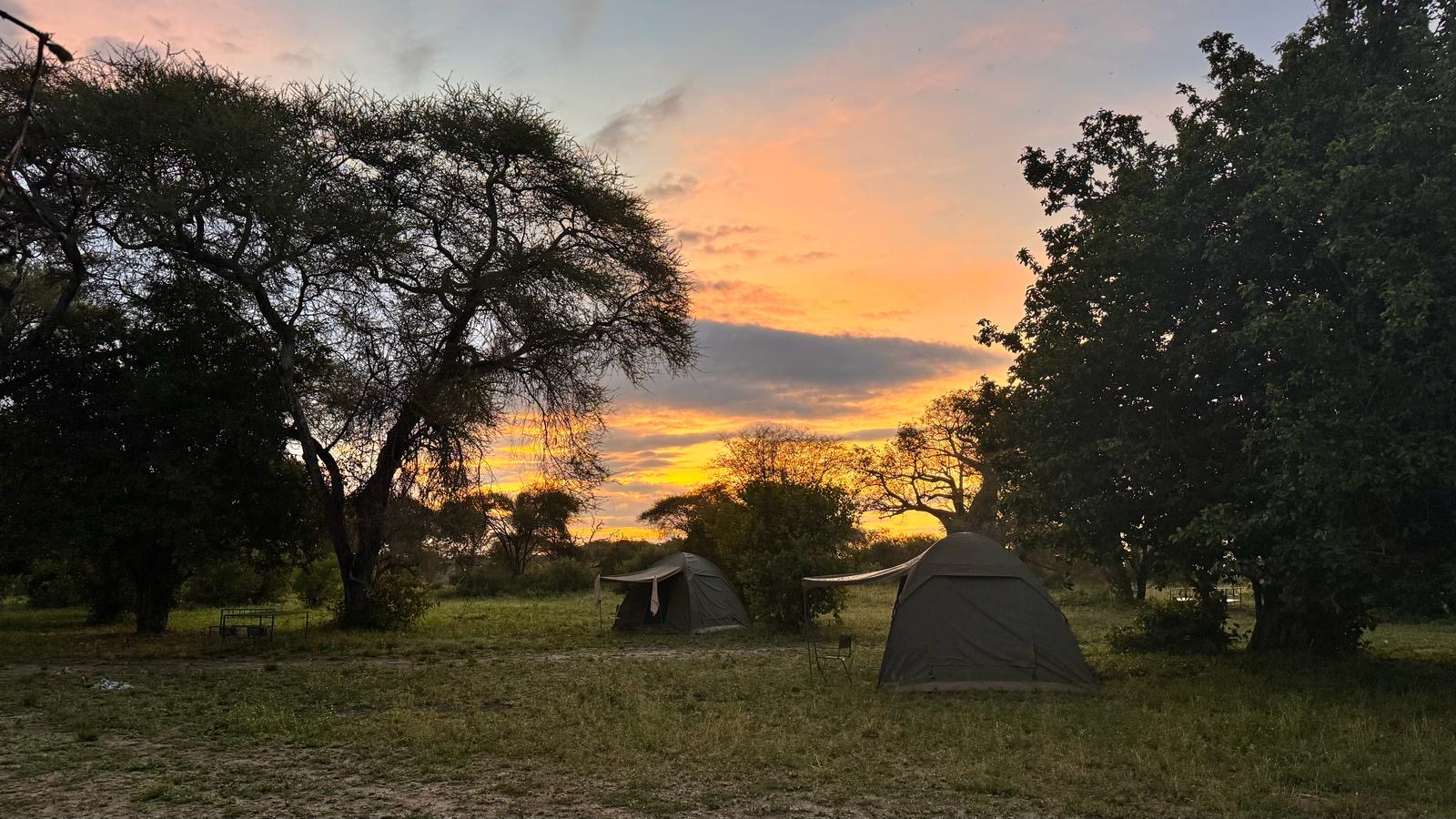
Season moves these more than anything else. The same tent can cost half as much in April as in August, and the animals do not leave in between.
How a day actually adds up
For two people sharing a vehicle and a room in the Serengeti in high season, a day looks roughly like this: USD 140 in conservation fees for the pair, USD 420 for two beds with all meals, and the vehicle, fuel and driver guide shared between them. That structure sits behind almost every quote you will be sent.
The vehicle is the part that changes most with group size. A private 4x4 with a driver guide costs the same whether one person or six are sitting in it, so the per-person cost of a safari falls steeply as a group grows. Two people travelling alone carry the whole vehicle between them; four people carry half each. This is the single largest reason two quotes for the same route can differ by thousands.
What is usually included
- Private 4x4 with a professional driver guide, fuel, and all park and conservation fees
- Accommodation with the meals listed in your itinerary, and drinking water in the vehicle
- Airport transfers and flying-doctor emergency cover
Usually excluded: international flights, the visa, travel insurance, tips, drinks, and optional extras such as a balloon flight over the Serengeti.
What moves the price
- The comfort level of the accommodation, which is the biggest single variable
- Season: July to October and the Christmas period are dearest, mid-March to mid-May the cheapest
- Group size, because the vehicle is shared
- How many parks, and whether you fly between them or drive
- Trip length, since every extra day adds both a conservation fee and a night
Where to save without spoiling the trip
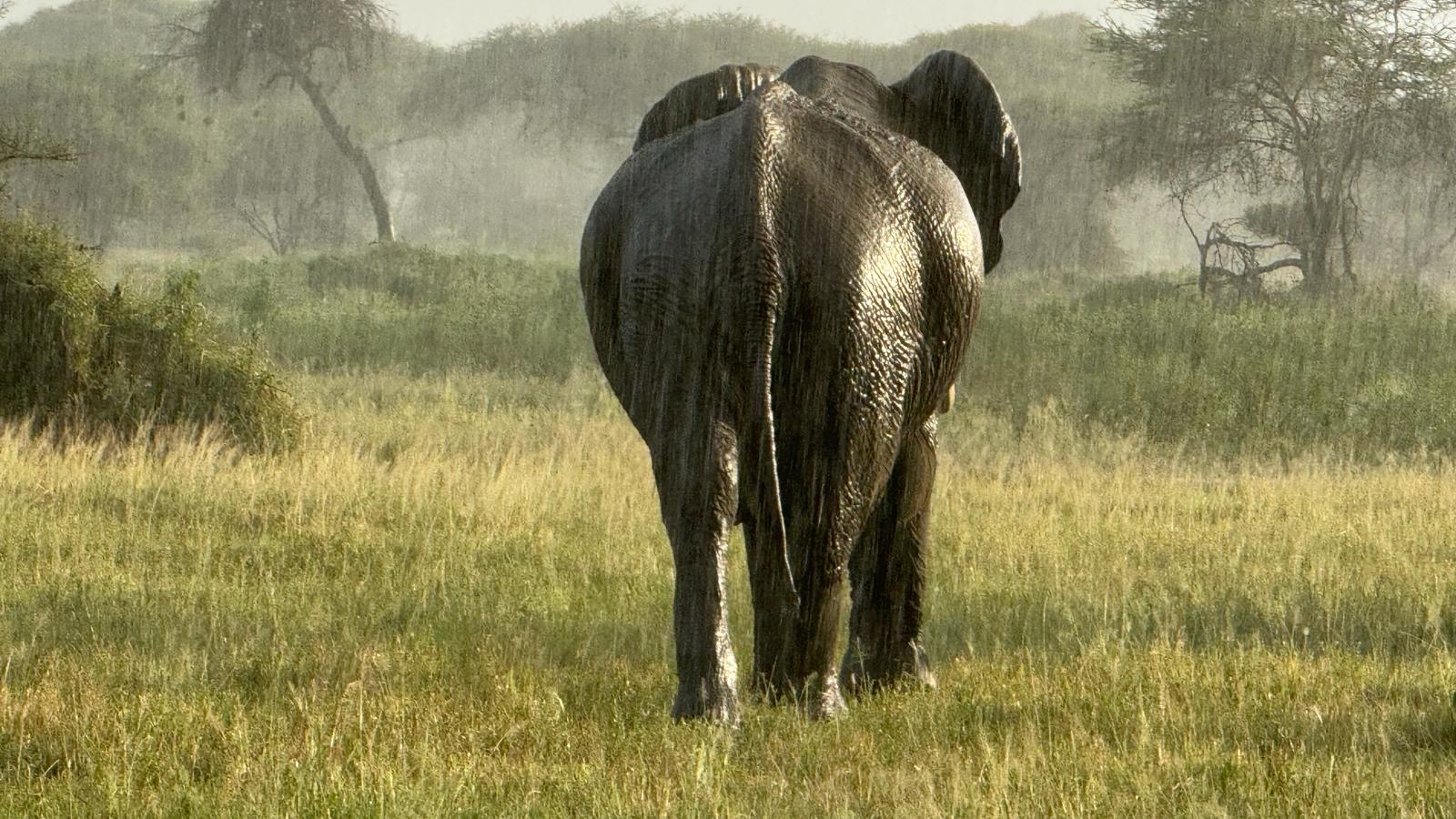
- Travel in the green season. Fewer vehicles, lower rates, and the country is green instead of dust-coloured
- Share a vehicle with friends or family
- Spend longer in fewer parks. Every park change costs another fee and half a day of driving
- Sleep just outside a gate rather than inside the park, where concession fees are highest
- Ask for the trade-offs in writing. We will tell you where money makes a real difference and where it does not
Send us your dates, your group size and a rough budget, and a specialist in Arusha will reply within 24 hours with an itemised proposal: conservation fees, accommodation, vehicle and extras listed separately, so you can see exactly what you are paying for.